What happens here
Hands-on materials may create natural reasons to request, choose, compare, describe, follow directions, and take conversational turns. Helen selects activities based on the individual’s speech-language goals.
Exploring textures and adapting activities
Activities may feature a variety of textures and familiar materials, chosen in collaboration with families and adapted for each participant. Hands-on experiences can create opportunities for describing sensations, expressing preferences, making requests, following directions, and taking turns.
Individualized participation
Helen selects sensory-table materials based on the person’s communication goals, individual needs, and family preferences. Activities may use homemade play dough or gak, kinetic sand, whipped cream or shaving cream, or dry materials such as rice, beans, and noodles when appropriate. For children who mouth objects, Helen uses alternatives such as a light table or larger, developmentally appropriate materials. Choices take account of supervision, sensitivities, allergies, and choking risks. These experiences are used to support communication-focused activities, not to suggest a separate occupational-therapy or sensory-integration service.
See an activity in action
A hands-only demonstration of the sensory table may be added with captions and a transcript.
Activities and techniques are selected through individualized clinical assessment; not every activity is appropriate for every client.
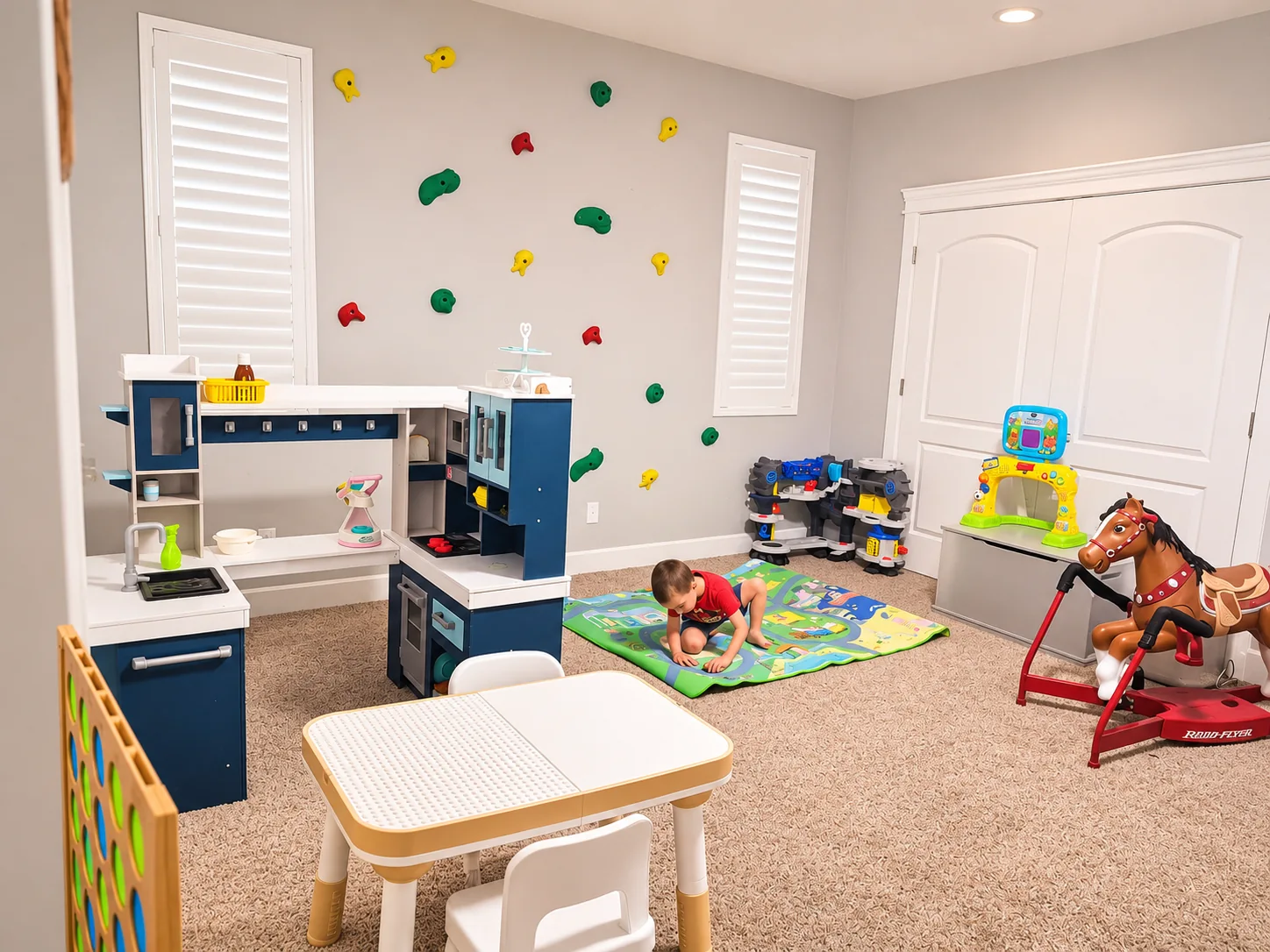
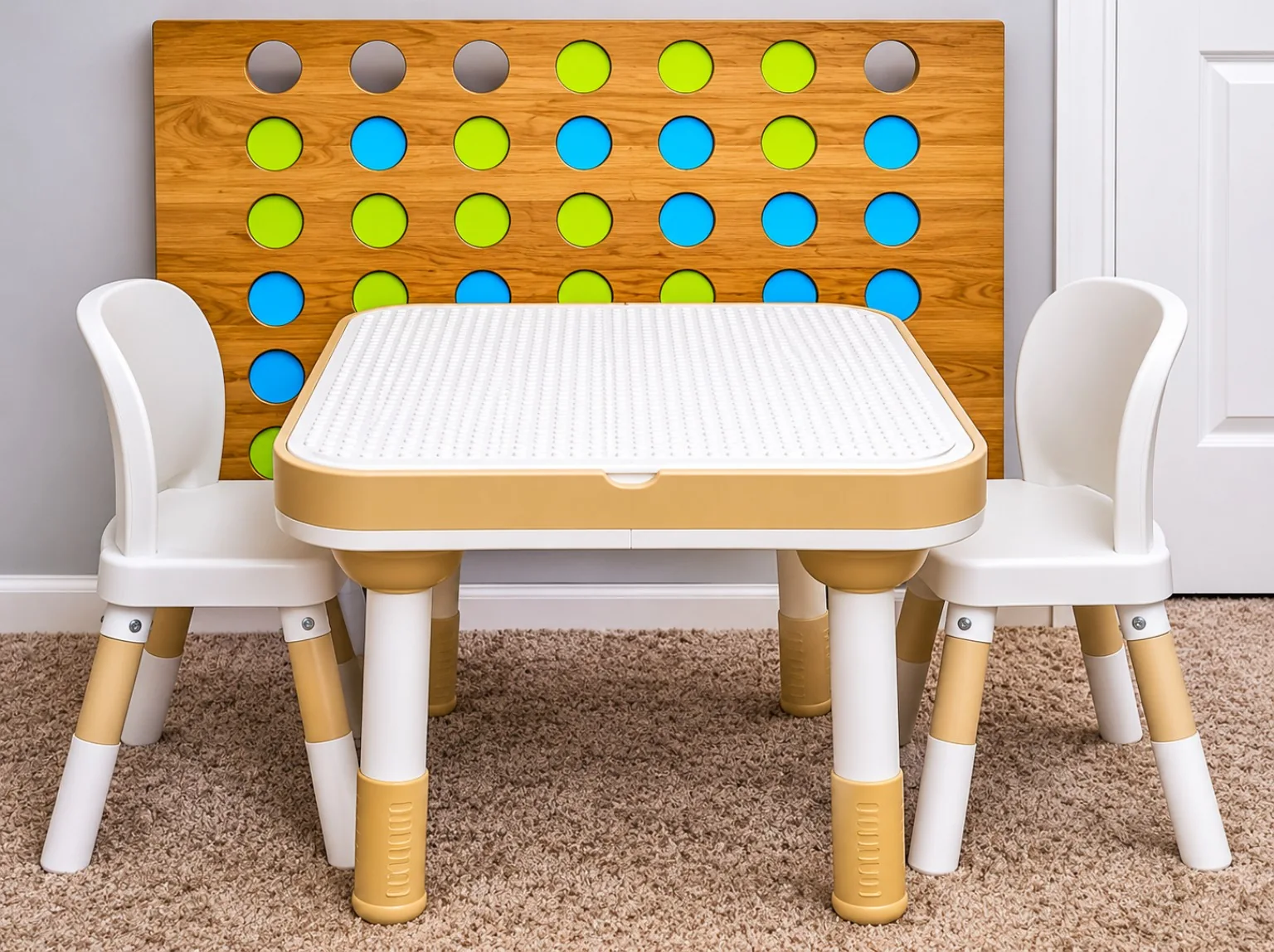
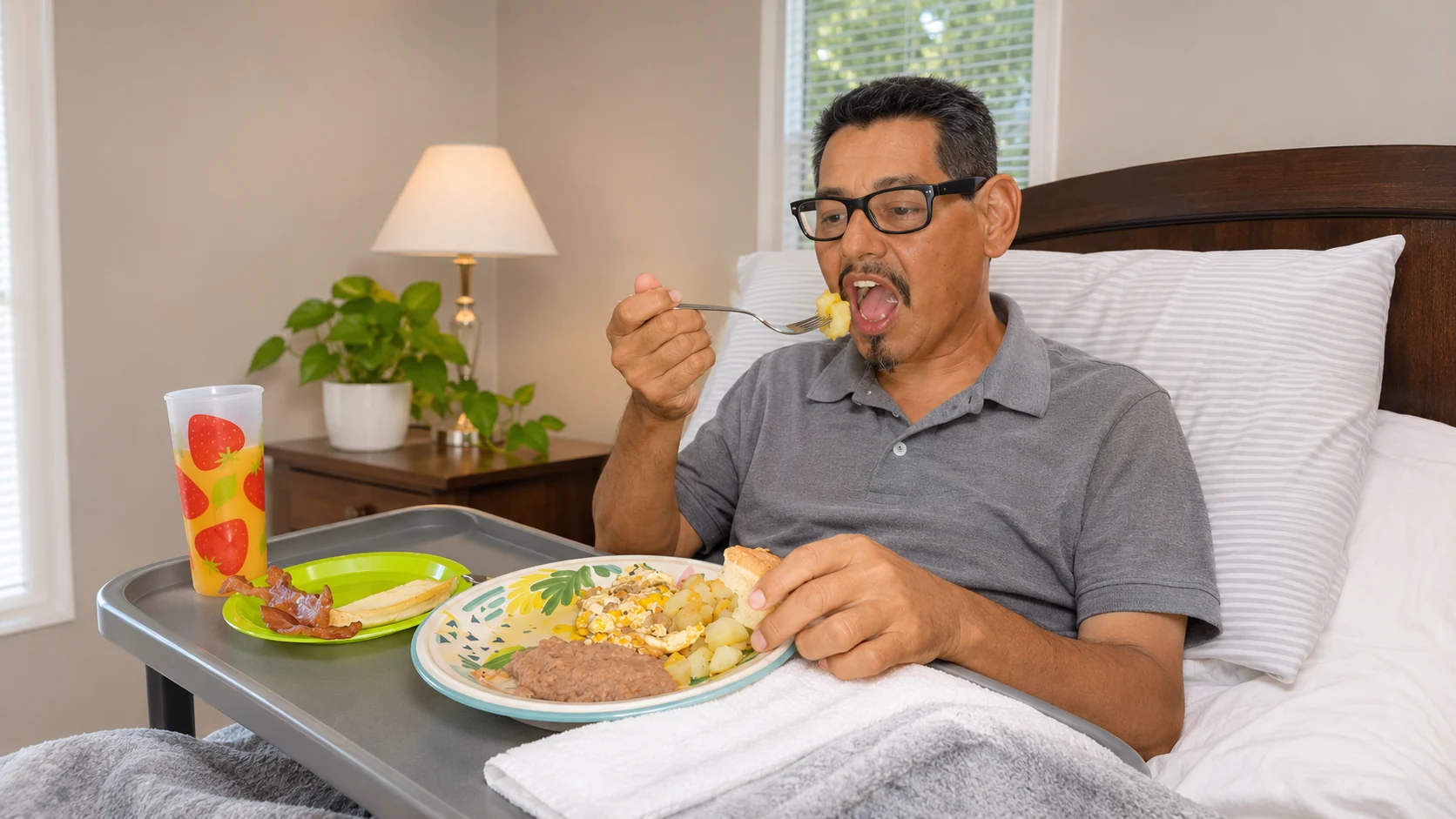
Scheduling and inquiriesPhotographs illustrate the sensory table and one hands-on activity. Materials are selected for each participant and family.